S&P 500 falls 9% in March as Iran war oil shock and recession fears rattle equity markets
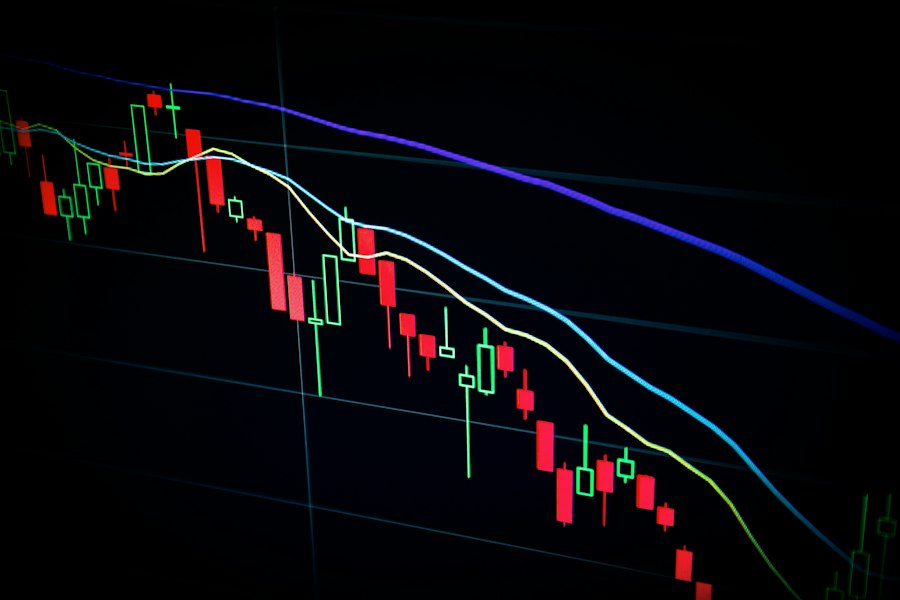
US equity markets recorded their worst monthly performance since 2022 in March, with the S&P 500 down nearly 9% as investors repriced growth outlooks on the back of surging oil prices, a hawkish Federal Reserve, and trade policy uncertainty.
Economy — March 22, 2026
The S&P 500 index fell 8.9% in March 2026, its worst monthly performance since the market sell-off of late 2022, as investors recalibrated growth and earnings outlooks in response to a combination of surging oil prices driven by the Iran conflict, a Federal Reserve unwilling to cut rates, and continued uncertainty about the trajectory of US trade policy.
The sell-off began on March 1, the second day of US-Israeli operations against Iran, as oil prices spiked and investors began to price in the economic consequences of a prolonged Middle Eastern conflict. By mid-March, the index had lost more than 7% from its February peak.
Technology stocks, which had driven most of the market's gains since late 2024, were among the hardest hit. The Nasdaq Composite fell 11.4% in March, led by declines in semiconductor companies with significant exposure to global supply chains and energy-intensive AI data centre buildouts.
Goldman Sachs published a research note on March 20 warning that if the Iran conflict continued beyond 90 days and Brent crude remained above $110, the probability of a US recession in the second half of 2026 rose to approximately 35%, compared with 12% before the conflict.
The VIX volatility index, commonly referred to as the market's 'fear gauge,' reached 32 in mid-March — its highest level since early 2023 — reflecting genuine investor uncertainty rather than tactical hedging.
Consumer staples, healthcare, and defence stocks outperformed as investors rotated into defensive sectors. Lockheed Martin, Raytheon, and Northrop Grumman all hit record highs during the month, as investors anticipated sustained elevated defence spending.
Federal Reserve Chair Jerome Powell's March FOMC press conference, in which he signalled that rate cuts in 2026 had become 'increasingly unlikely' given the oil price outlook, was cited by portfolio managers as the event that accelerated the latter phase of the sell-off, removing the 'Fed put' that many had counted on as a floor under equity prices.